

Why Dress Code is Important in Every Schools
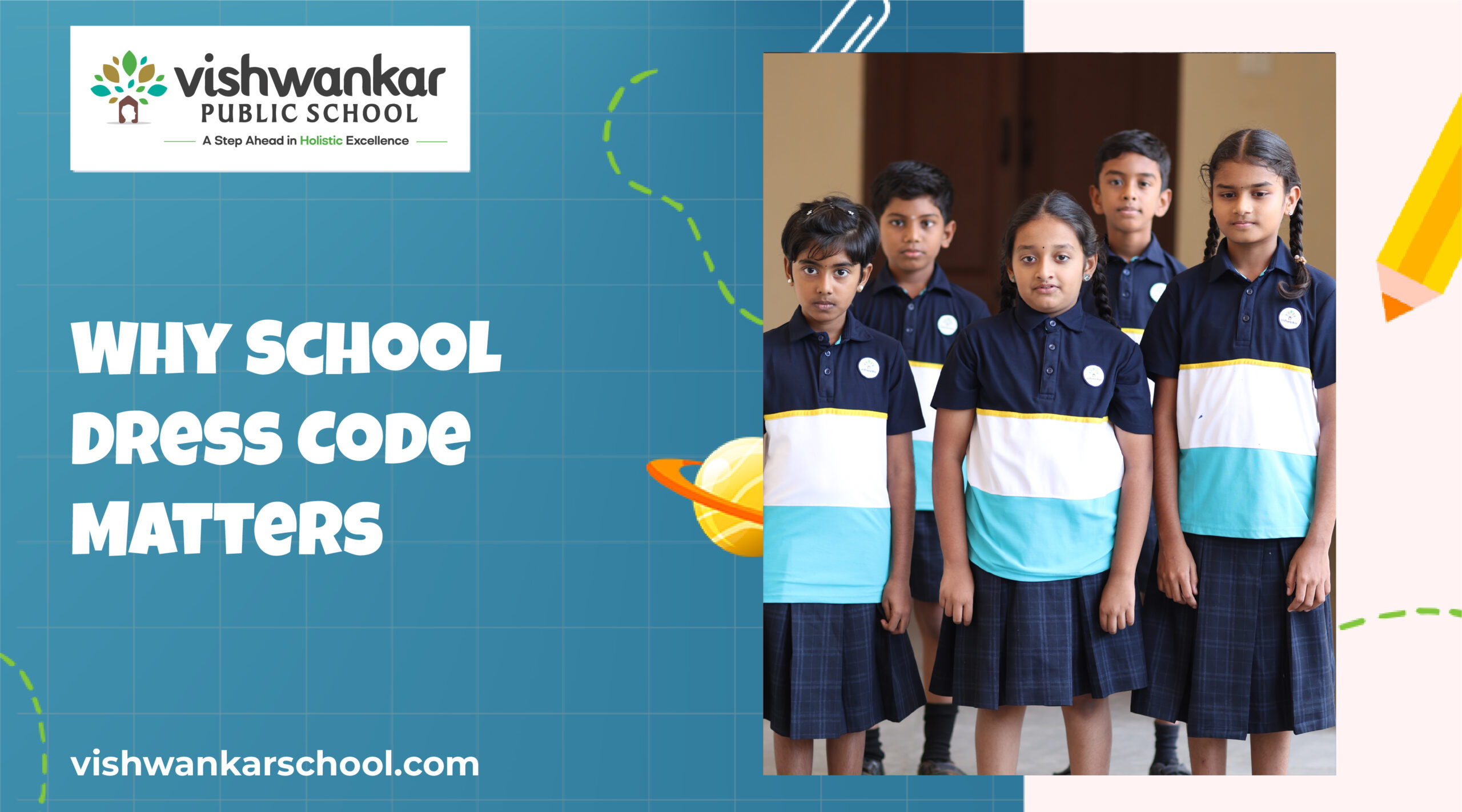
School dress rules are more than just dress codes; they create regulated learning environments that promote equality, discipline, and attentiveness. The significance of dress codes in schools goes beyond appearance; they influence student behaviour, academic performance, and social dynamics.
While discussions over school dress code flexibility versus uniformity continue, evidence demonstrates that well-designed regulations benefit pupils holistically. From school uniforms to informal student dress codes, suitable apparel promotes institutional identity and prepares young people for professional responsibilities.
Importance of Dress Code in Schools
The importance of dress codes in schools arises from their complex impact on educational settings. A proper uniform prevents fashion competition, allowing students to focus on studies rather than style statements. School dress code standards limit socioeconomic visibility (designer labels versus cheap apparel), resulting in fairer playing fields where character and achievement matter more. Uniforms communicate “work mode,” increasing attentiveness in the same way that professional dress in offices does.
10 Reasons Why Students Should Wear Uniforms
Advantages of wearing school uniforms include:
- Equality: Without a uniform, economic differences are highlighted; with a uniform level, the opportunity is equal.
- Discipline: Structured clothing promotes self-control and habitual compliance.
- Focus: Fewer clothes choices equals more study time.
- Safety: Students can be identified during field excursions or emergencies due to their uniforms.
- Pride: Institutional identity fosters affiliation and commitment.
- Cost-effective: Parents prefer to budget predictably rather than chase trends.
- Reduced bullying: Fashion-related mocking has dramatically decreased.
- Professional preparation: Workplace dress codes were implemented early.
- Time-saving: Morning procedures are simplified.
- Unity: A shared appearance promotes team spirit.
Different Types of School Uniforms
Different types of school uniforms blend practicality with identity:
- Primary School: Shorts/skirts with polo shirts comfortable and washable fabrics
- High school: Trousers or skirts, shirts, and ties formal preparation
- CBSE/ICSE: House-based colour coding encourages competition
- Sports Uniform: Track pants, jerseys for PE.
- Winter Variants: Blazers, sweaters, and mufflers.
Uniform article quality is important; breathable cotton mixes are appropriate for India’s climate. Best CBSE schools in Coimbatore demonstrate smart uniform evolution while maintaining tradition.
Importance of School Uniform: Psychological Benefits
The importance of school uniforms has a tremendous impact on the mindset. According to studies, uniformed students had higher attendance, fewer disciplinary difficulties, and better test performance. Uniforms diminish “status signalling,” which alleviates peer pressure on brands. Cognitive load decreases avoiding decision fatigue frees up mental energy for academic tasks.
Without uniforms, scenarios reveal chaos: gang affiliations through colours, clothing distractions, and dress code conflicts that consume administrative work. Proper uniforms transform classrooms into professional areas that reflect future workplaces.
Addressing Common Criticisms
- Limited self-expression: Accessories, haircuts, and bags allow individuality.
- Cost Burden: Bulk purchasing and tailoring spread expenses; school subsidies help.
- Comfort Concerns: Modern textiles (stretch cotton, moisture-wicking) overcome this.
- Gender Rigidity: Unisex Options, Trouser Choices Emerging
A balanced student dress code enables spirit days and cultural festivities while upholding standards.
Uniform Evolution in Modern Schools
The modern school clothing code adapts:
- Gender-neutral policy.
- Eco-friendly textiles.
- House competitions with colour accents
- Casual Fridays with branded polos.
- Technology pouches for tablets.
Uniforms for school students currently strike a compromise between tradition and practicality, reflecting 21st-century needs.
Global Perspectives
The advantages of wearing school uniforms are universal:
- Japan’s stringent uniforms correlate with the highest PISA scores.
- The UK’s blazer system retains discipline.
- U.S. charter schools indicate a 30% drop in bullying.
India’s various types of school uniforms demonstrate the federal structure while maintaining unity.
Implementation Best Practices
Effective school dress codes include:
- Parental engagement in design.
- Gradual Implementation
- Secondhand exchanges.
- Flexible fitting days.
- Quality vendor partnerships.
Uniform article durability ensures value wash-after-wash performance is important.
Academic Performance Correlation
Research connects the importance of school uniforms to outcomes:
- Long Beach Unified: Uniforms reduced violence 91% and sex offences 56%.
- University of Nevada: Uniforms improve attendance 91%.
- Indian studies: Uniform schools show 10-15% higher test scores.
Proper uniforms convey seriousness, reducing tardiness and interruptions.
Parental Role & Home Support
Parents reinforce the school dress code through:
- Weekly Ironing Routines
- Lost uniform protocols
- Pride in representation
- Transitional support for new schools
Family discussions regarding uniforms for students foster responsibility.
Future of School Dress Codes
Technology affects evolution:
- Smart textiles track attendance.
- RFID-equipped badges
- Sustainable bamboo uniforms
- Custom-fit 3D printing
The student clothing code will strike a balance between innovation and tradition.
Addressing Socioeconomic Concerns
Without uniforms, economically disadvantaged families are hurt the hardest because constant wardrobe improvements strain resources. Uniform piece swaps, school banks, and sponsorships promote diversity. Students from underprivileged backgrounds receive free uniforms from government programs.
Discipline & Behavioural Impact
The benefits of wearing school uniforms extend behaviourally.
- Fewer suspensions (63% drop).
- Improved teacher-student interactions.
- Enhanced school spirit.
- Reduced gang identification.
The school dress code establishes psychological boundaries between school and street.
Cultural Significance
The various varieties of school uniforms in India reflect their background.
- White symbolises purity.
- Khaki denotes discipline.
- House colours encourage competition.
- Blazers indicate prestige.
National festival events highlight uniform pride through parades.
Conclusion
The importance of dress codes in schools extends beyond fabric selection; it is about equality, focus, and preparation. When properly implemented, the ten reasons why students should wear uniforms far exceed the downsides of school uniforms. Proper uniforms improve learning settings, lowering bullying and improving academic performance. The best CBSE schools in Coimbatore take a balanced approach, demonstrating that a well-executed school dress code produces confident, disciplined individuals ready for life’s uniforms both professional and personal.
For students, wearing a uniform provides a foundation for achievement and freedom from distraction rather than a limitation. Parents, educators, and policymakers champion wise clothing regulations to create tomorrow’s leaders today.
FAQs
- How do dress codes help students?
Dress codes encourage discipline and equality and minimise distractions at school. - Why is the dress code necessary in a school speaking activity?
It promotes confidence, cohesiveness, and a professional appearance during presentations. - What is the main idea behind wearing a uniform to school?
To promote equality and identity while focusing on study rather than fashion. - How do dress codes prepare students for the real world?
They teach students how to observe professional standards and workplace rules. - How does the dress code affect students’ creativity?
It limits clothing options while encouraging innovation through ideas and skills. - Why should students be allowed to wear free dresses?
Free dress days allow students to express themselves and feel comfortable.