

Understanding the Importance of AI in Education for Students and Teachers
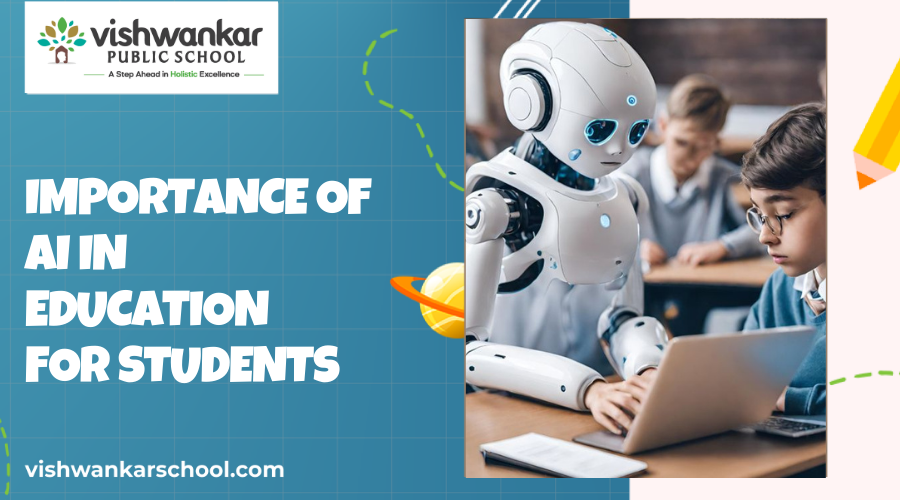
Technology affects every part of our lives, including education. Artificial intelligence is changing the way students study and professors transmit knowledge. From personalised learning to smart classrooms, artificial intelligence is making education more dynamic, efficient, and accessible. Understanding the significance of AI in education enables students and educators to adapt to the changing landscape and plan for the future.
Importance of AI in Education
The importance of AI in education stems from its ability to improve learning experiences and teaching methods and to make education more accessible to all. Artificial intelligence analyses student performance and provides individualised learning solutions using data, algorithms, and machine learning.
The use of artificial intelligence in education is continuously growing. It benefits both students and teachers by automating routine tasks, providing insights, and facilitating new teaching methods.
Role of Artificial Intelligence in Education
AI plays an important role in modern classrooms, enhancing both teaching and learning processes.
Personalised Learning Experience
AI technologies use student performance and learning patterns to generate personalized study strategies. This ensures that each student may learn at their own speed and level.
Smart Content Creation
Interactive classes, quizzes, and simulations are all examples of digital material created with AI techniques. This makes learning simpler and clearer.
Automated Administrative Tasks
Teachers can save time by utilising artificial intelligence for mundane tasks such as grading assignments, tracking attendance, and scheduling.
Intelligent Tutoring System
AI-powered tutoring systems provide quick feedback and guidance, enabling students to study independently.
These developments demonstrate the rising use of AI in education across schools and institutions.
Benefits of Artificial Intelligence in Education
The advantages of artificial intelligence in education are vast for both students and teachers.
Key Benefits:
- Improved Learning Outcomes: Students receive personalised support based on their strengths and weaknesses.
- Enhanced Engagement: Interactive tools make lessons more engaging and dynamic.
- Accessibility: AI enables remote learning and supports students with disabilities through assistive technology.
- Efficient Teaching: Teachers can concentrate on mentoring rather than administrative duties.
- Data-Driven Insights: AI offers useful insights for tracking student development and improving teaching tactics.
The importance of AI becomes especially clear in its ability to bridge learning gaps and deliver equal possibilities.
Application of AI in Education
The use of artificial intelligence in education is broad and growing.
Common applications include:
- Virtual classrooms and online learning systems
- AI-powered language learning tools
- ChatBots for Student Support
- Predictive Analytics for Student Performance
- Automated assessment systems
Institutions providing AI coaching in Coimbatore are already using these technologies to prepare students for future employment.
Advantages of Artificial Intelligence
AI has various benefits that make it a useful tool in education:
- Personalised and adaptable learning
- Quicker access to information
- Reduced workload for teachers
- Continuous Learning Support
- Scalable Education Solutions
These advantages of artificial intelligence make education more flexible and student-centred.
Disadvantages of Artificial Intelligence
Despite its benefits, AI has some limitations that must be recognised.
Key Challenges:
- Dependence on Technology: Overuse of technology may impair critical thinking skills.
- Data Privacy Concerns: Managing student data necessitates stringent security procedures.
- High implementation Costs: Some institutions may find advanced AI systems prohibitively expensive.
- Lack of Human Interaction: Technology cannot completely replace emotional and personal relationships in the classroom.
Understanding the drawbacks of artificial intelligence helps in its responsible and effective use.
Why AI is Important for Students and Teachers
The importance of AI can be grasped by considering its impact on both learners and instructors.
For Students:
- It offers personalised guidance and immediate feedback.
- It helps to improve digital and analytical skills.
- It prepares students for technologically orientated employment.
For Teachers:
- It simplifies administrative tasks.
- It improves teaching practices using data insights.
- It enables new and participatory teaching approaches.
AI is not intended to replace teachers; rather, it assists them in providing better education.
Future of AI in Education
AI will play a significant role in the future of education. Smart classrooms, adaptive learning platforms, and AI-powered evaluations will become increasingly common. Students will have access to worldwide learning resources, while teachers will have sophisticated tools to improve their teaching effectiveness.
The role of AI in education is also a growing theme in speeches, as students become more aware of this transition.
Conclusion
In today’s digital world, the importance of AI in education cannot be overstated. It improves education, helps teachers, and prepares students for future difficulties. Students and educators may confidently embrace artificial intelligence in education by knowing its role and applications. While there are some hurdles to overcome, the benefits of artificial intelligence in education far outweigh the drawbacks, making it an effective tool for shaping the future of learning.
Admissions Open Now! Equip Your Child with the Skills to Thrive in a Digital World.
Contact Us Today to Learn More.
FAQs
1. How AI help in education?
AI contributes to education by delivering personalised learning, rapid feedback, smart content, and automated grading, which makes learning more efficient and participatory.
2. What is the main importance of AI?
The primary significance of AI is that it enhances efficiency, automates tasks, and helps make better data-driven decisions.
3. What are the 5 advantages of AI?
5 advantages of AI are Automating repetitive jobs,,Improved accuracy,,Faster decision-making, Personalised experiences, and Increased productivity
4. How much AI is used in education?
AI is increasingly being applied in education, including online learning platforms, virtual instructors, automated tests, and smart classrooms.
5. What are the benefits of AI for students?
AI benefits students by personalising learning, improving comprehension, reducing time, giving immediate support, and increasing engagement.