

How to Prepare for a Parent-Teacher Meeting & Why It’s Important
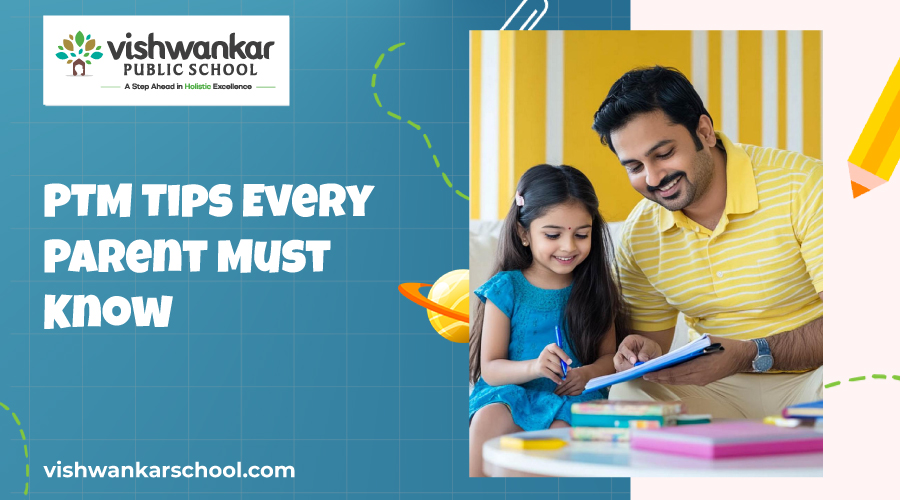
One of the simplest and most meaningful ways for parents to stay connected with their child’s progress is through parent-teacher interactions. Yet, many parents feel baffled about what to ask or how to use the opportunity well. A parent-teacher meeting is not just a quick conversation; it’s a partnership that can actually shape a child’s learning journey.
Understanding the PTA Meeting
Helps parents understand their child’s academic performance, classroom behaviour, social skills, and emotional well-being. As for the teachers, it presents an opportunity to share observations that at times do not reach home through notebooks or report cards. The time gives parents an avenue to raise concerns, clarify doubts, and align expectations.
With this view, more schools nowadays encourage parent-teacher interaction, as children prosper whenever both sides work in unison. Be it your child in kindergarten or in higher grades, PTMs build trust, improve communication, and ensure consistent support at home.
Why Should You Attend Parent-Teacher Meetings?
The importance of the parent-teacher meeting goes far beyond marks. The sessions enable you to identify early learning gaps in your child, understand how your child interacts with his peers, and discuss matters that need encouragement. Updates on classroom habits, strengths, and behaviour which you may not see at home are also given by teachers.
One of the best CBSE schools in Coimbatore, like Vishwankar Public School (VPS), actively promotes such discussions. Also, aids parents in getting a complete picture of their child’s development: academics, personal, and social.
For teachers, such meetings support smoother planning and allow them to personalize the learning experience. Seeing parents involved often boosts their confidence and motivation among students.
How to Prepare for a Parents Meeting
1. Review Notes and School Updates
Go through your child’s notebooks, assignments, previous remarks, and any messages from the school. In case you have received a parent meeting feedback form earlier, check what you had shared so that you can track progress.
2. Observe Your Child at Home
Notice your child’s habits, behaviour, strengths, and areas where they seem stuck. This helps you discuss meaningful points rather than general questions.
3. List of Questions
This could include learning challenges, behaviour concerns, or how you can support your child better at home. Many parents seek points to discuss in parent-teacher meetings in PDF formats, but a personalized list works better.
4. Talk to Your Child Before the PTM
Ask how it goes for them at school: what they like and what troubles them. This develops trust and provides you with actual views to take to the meeting.
5. Be Open and Collaborative
PTM is not a teacher’s meeting; it’s a partnership. Keeping an open mind helps you receive suggestions better and encourages healthy dialogue.
What to Expect During a PTA Meeting
Progress in academics, behaviour, participation in the classroom, and interaction among peers is usually discussed at a typical PTA meeting. Teachers might also discuss goals for the upcoming term and may share PTM points for teachers, including performance trends or learning styles.
Some schools also ask for parent-teacher meeting feedback, PTM remarks by parents, or a PTM review by parents to understand how effective the session was.
In this two-way exchange, the parents and teachers are aligned on what is best for the child.
Tips to Make the Meeting Productive
- Keep the Conversation Specific – For example, ask about areas your child is good at and struggling with.
- Listen more, judge less
- Ask for Actionable Suggestions – Practical tips-like a new reading routine or small discipline habits.
- Remember, PTMs are never complaint sessions. A positive and respectful tone sets a healthy atmosphere for improvement.
Frequently Asked Questions
1. What do you say in a parent-teacher meeting?
Ask about the academic progress, behaviour, learning challenges, strengths, and how you can help your child at home. Keep it open, respectful, and clear.
2. What is the purpose of a PTA meeting?
It is aimed at establishing a firm collaboration between parents and teachers so that the child gets comparable help both at home and at school.
3. What is the PTM?
PTM stands for Parent-Teacher Meeting. A scheduled interaction between parents and teachers to review a child’s progress.
4. Why is PTM important in education?
It helps in the early identification of learning needs, improves communication, and provides emotional and academic support to the child.
5. How to conduct a parent meeting in school?
1 – Plan an agenda, 2 – Allow equal time for each parent, and 3 – Keep the discussions solution-oriented.
6. What are the 7 rules for parents?
Listen actively, keep calm, ask clear questions, avoid comparing, support teachers’ efforts, discuss concerns politely, and focus on the solution.
7. What is the 80/20 rule of teacher talking time?
It recommends that during PTMs, teachers listen 80% of the time and talk only 20%, so their minds are noted and listened to.