

Top Extracurricular Activities For Students in School: A Complete Guide
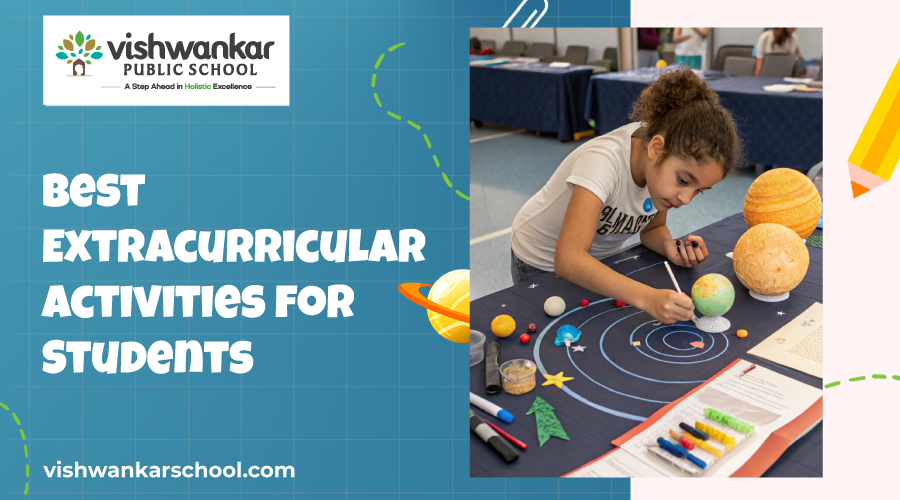
Extracurricular activities are an essential part of a student’s overall development. It opens opportunities to explore interests, develop new skills, and build social connections. It can include sports, music, arts, debate clubs, volunteering, and much more.
Schools that encourage student participation in these activities often see improved student engagement, confidence, and a stronger sense of community.
Role of Extracurricular Activities
Activities outside the classroom are not only fun activities, an aspect that many associate them with, but they also have an extraordinary aspect of developing an all-round personality. Among the importance of extracurricular activities are:
- Skill Development: The students acquire skills such as leadership, working in teams, managing time, and problem-solving.
- Emotional Growth: It enhances the participant’s sense of self-esteem, resiliency, and
- Academic Enhancement: Participating in activities outside of the classroom tends to enhance performance and focus in academics.
- Social Benefits: They develop friendships, communication, and a sense of association.
- College & Career Preparation: Many colleges look for students who are involved in extracurricular activities.
Categories of Extracurricular Activities
Whenever considering activities for students, one should look into the kinds that are available. The kind of activities a student can undertake outside the classroom includes:
1. Sports & Physical Activities
Football, basketball, swimming, karate, yoga, and athletic sports keep students fit as they learn about teamwork, discipline, and so on.
2. Creativity & Arts
There are drama clubs, music bands, dance classes, and art workshops where students can unleash their creativity and confidence.
3. Academic & Intellectual Clubs
Science clubs, math circles, coding clubs, debate teams, and quiz clubs sharpen critical thinking, problem-solving skills, and intellectual curiosity while encouraging teamwork and healthy competition.
4. Community Service and Volunteering
Environmental projects, charity drives, and social initiatives cultivate empathy and a sense of responsibility for the community.
5. Special Interest Groups
Book clubs, foreign language clubs, Chess, and Photography clubs are based on personal interests.
Sometimes, a combination of sports, arts, and academics might be the best way to achieve balance.
How to Choose the Right Extracurricular Activity
Choosing the most appropriate activity proves to be overwhelming to both students and parents in this aspect, since:
- Identify Interests: Note the things which generate excitement in the student, such as sports, arts, or technology. Literary
- Evaluate Time Commitment: This should be possible to accommodate schoolwork without stress.
- Think about Goals: Is the activity aimed at skill-building, just having fun, socializing, or a career path down the road?
- Experiment & Adapt: Engaging in a variety of activities is important for discovering what one is passionate about and has
- Seek School Guidance: Choose schools like Vishwankar Public School (VPS), one of the best CBSE schools in Coimbatore, which assist students in proper decision-making.
Extracurricular Activities: Benefits for Students
The advantages that come with participation in extra activities are vast. Among the most significant advantages are:
| Benefit | Description |
| Improved Academic Performance | Students often perform better academically due to enhanced focus and discipline. |
| Social Skills | Teamwork and collaboration skills are strengthened through group activities. |
| Physical & Mental Health | Active participation promotes fitness, reduces stress, and encourages mental well-being. |
| Leadership & Responsibility | Students learn to take initiative and manage responsibilities effectively. |
| Cultural & Emotional Awareness | Exposure to arts, music, and volunteering fosters empathy and cultural appreciation. |
Role of Schools and Parents in Encouraging Participation
- Schools and parents should provide equally crucial support for the students to capitalize on the various after-school activities.
- Schools should make the environment conducive by providing a range of activities that appeal to the students without pushing them too hard.
- Parents, on the other hand, should monitor their children based on their interests, talent, and comfort zones instead of behind the latest trends and comparisons.
- If the right communication and efforts by the schools and parents are achieved, the students feel supported, confident, and willing to test their involvement in activities that add value to their quality development.
Simple Tips to Stay Consistent with Activities
- Choose activities that really interest the student and not just what others are doing.
- Set a weekly routine.
- Encourage regular practice.
- Review activities regularly.
Conclusion
Extracurricular activities are crucial to acquire unique skills and help students evolve into well-rounded individuals. Henceforth, it is all about balance and ensuring that students derive pleasure from these engagements. Join our school and give your child the perfect balance of academics and extracurricular activities for all-round growth.
Frequently Asked Questions
1. What are other activities for students?
Other activities can include school publications, student councils, coding competitions, science fairs, and language or cultural clubs.
2. What is the most popular type of extracurricular activities?
Sports and music-related activities often attract the highest participation, though popularity varies by school and region.
3. What can an extra-curricular activity do for a student?
It develops personal skills, enhances social interaction, boosts self-confidence, and provides opportunities for future academic or career growth.
4. How to choose extracurricular activities?
Focus on the student’s interests, schedule, goals, and available school resources. Encourage experimentation and guidance from mentors or teachers.
5. What are the 5 benefits of extracurricular activities?
Skill development, improved social interaction, enhanced academic performance, leadership opportunities, and emotional growth.