

Top 10 National Festivals of India
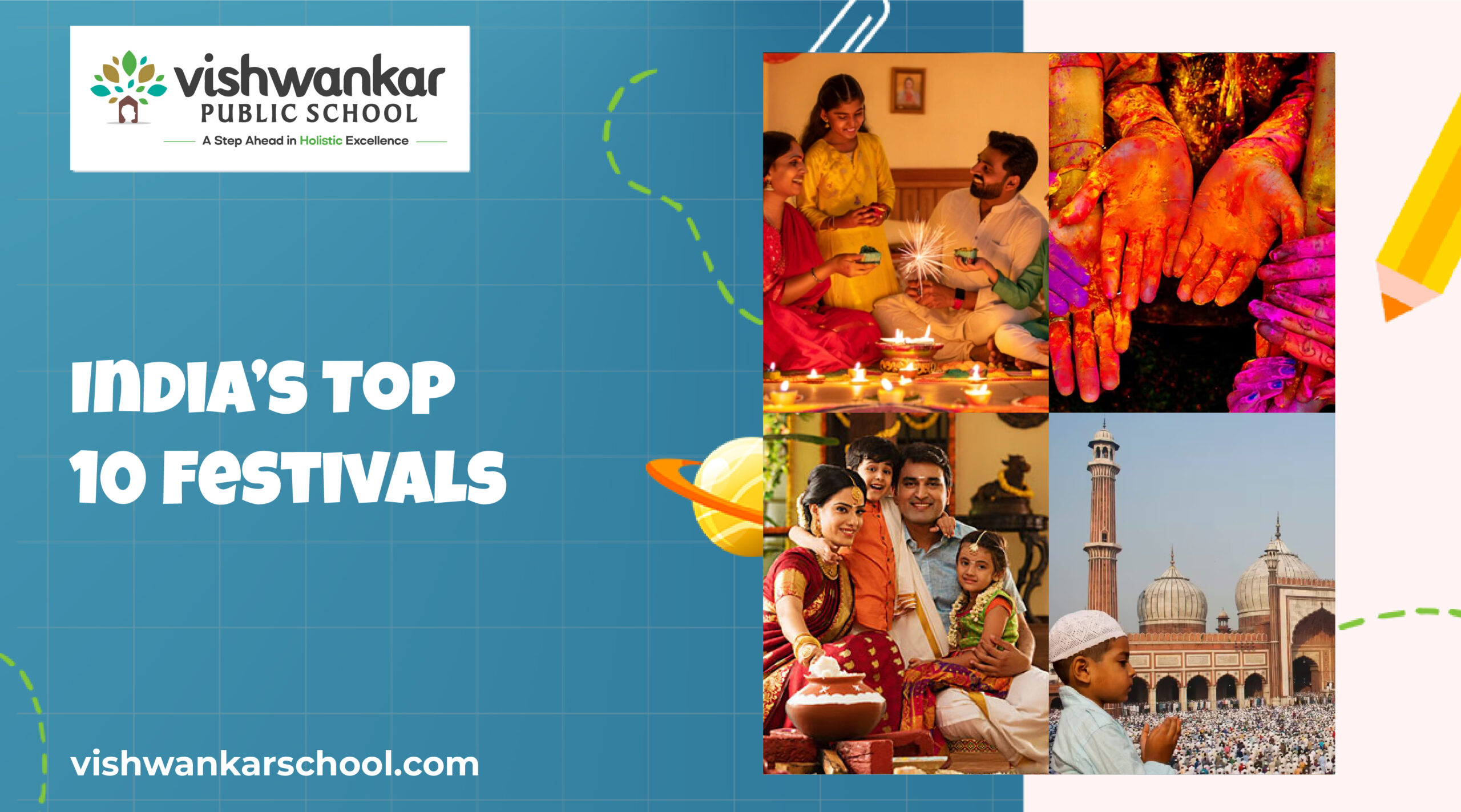
India’s vibrant festival calendar reflects its enormous diversity, with celebrations that combine faith, history, and community joy. Among India’s diverse holidays, national festivals are especially important because they bring the country together through shared pride and cultural heritage.
These important Indian festivals promote a sense of shared identity while showcasing customs from many regions. Whether you’re looking through a list of Indian festivals or organising cultural activities, recognising these national festival highlights shows the beating heart of the world’s largest democracy.
What is a National Festival?
A national festival commemorates historic events that have contributed significantly to India’s freedom and unity. Unlike regional traditional festivals in India, which are associated with individual states or communities, national festivals are celebrated nationwide, often incorporating official holidays, flag waving, and patriotic activities.
What do national festivals represent? They mark important moments in India’s modern history such as freedom movements, constitutional milestones, and the principles that shape our nation. Schools, government institutions, and local communities actively participate in these celebrations. These occasions are widely celebrated in schools, government offices, and communities, offering meaningful learning experiences for students across India, including CBSE schools in Coimbatore.
1. Republic Day
Republic Day in India marks the adoption of the Constitution in 1950, which established the country as a sovereign democratic republic. Students at Vishwankar Public School celebrate with a magnificent flag-raising ceremony, patriotic speeches, drills, poems, and traditional dances that symbolise unity, discipline, and constitutional ideals.
2. Independence Day
Independence Day signifies India’s independence from British rule in 1947 and is celebrated with enthusiasm across the country. Students at Vishwankars participate in flag-raising ceremonies, patriotic music, skits about freedom fighters, “Tiranga” rallies, and motivational presentations about the sacrifices that led to India’s independence.
3. Gandhi Jayanti
Gandhi Jayanti honours Mahatma Gandhi’s ideas of truth and nonviolence. Our students observe the day with cleanliness campaigns, prayer assemblies, poster creation, essay writing, and role plays that promote Gandhian values such as peace, simplicity, and social responsibility.
4. Children’s Day
Children’s Day celebrates childhood and the nation’s future. At Vishwankar Public School, the day is filled with games, fun activities, fancy-dress competitions, storytelling, and special teacher performances, all of which make children feel loved, appreciated, and encouraged to learn joyfully.
5. Teachers’ Day
Teachers’ Day is dedicated to Dr. Sarvepalli Radhakrishnan and the teaching community. Vishwankar’s students show their thanks with cultural activities, talks, dances, plays, and by taking over classrooms for the day to honour teachers as guides and nation-builders.
6. Diwali/Deepavali
Diwali, also known as the Festival of Lights, commemorates good triumphing over evil. Families light diyas, break crackers, and enjoy sweets. At Vishwankar School, children participate in eco-friendly Diwali festivities that promote responsibility, joy, togetherness, and strong environmental consciousness among young learners and the wider community.
7. Navaratri
Navratri is a colourful event that celebrates the triumph of good over evil and honours Goddess Durga. Devotees observe nine nights of fasting, prayers, music, and dance. At VPS, students participate in traditional dances, cultural assemblies, costume activities, and devotional songs that celebrate India’s rich heritage, power, devotion, and unity.
8. Raksha Bandhan
Raksha Bandhan is a happy Indian festival that symbolises the relationship between brothers and sisters. Students at Vishwankar Public School celebrate by tying rakhis, eating sweets, and participating in activities that foster brotherhood, respect, emotional bonds, and inclusive relationships outside of families.
9. Christmas
Christmas is a season of joy, goodwill, and togetherness, marked by lights, carols, and meaningful customs. Students at Vishwankar Public School celebrate with carol singing, decorations, plays, and gift-sharing activities designed to foster compassion, generosity, and the spirit of giving in children of all backgrounds.
10. Onam
Onam is Kerala’s harvest festival, celebrated with joy, flowers, and harmony. At Vishwankars, children celebrate Onam with vivid pookalam patterns, traditional clothes, cultural performances, storytelling, and activities that promote unity, cultural diversity, and respect for tradition.
Celebrating National Festivals
National festivals generate excitement across the country:
- School activities: Patriotic songs, quizzes, essay contests, and flag designing.
- Community Activities: Light decorations, food vendors, and cultural events
- Family customs: Visiting memorials, sharing candies, and dressing in tricolour.
- Digital Engagement: Virtual concerts, social media problems
Government buildings are lit up, and special programs are broadcast on the radio and television.
Educational Significance
Studying India’s major festivals teaches history, civics, and values. CBSE curricula include teachings on festivals to help students recognise the variety in unity. Parents encourage learning by having family conversations on constitutional rights and freedom fights.
Modern Celebrations
Digital India alters observances.
- Live-streamed Republic Day Parades
- Independence Day App Quizzes
- AR/VR historical tours.
- Crowdsourced flag designs
Youth combine tradition and trends tricolour trainers, hashtag campaigns, and fusion music.
Why National Festivals Matter
In the face of globalisation, national festivals help to strengthen identity. They remind citizens of their hard-won liberties, constitutional obligations, and shared destiny. Children learn patriotism spontaneously via joyful engagement rather than rote instruction.
Each national celebration, from the grandeur of Republic Day to the thankfulness of Teachers’ Day, strengthens India’s heterogeneous fabric. They turn pages of history into living experiences, ensuring that future generations take pride in the world’s largest democracy.
Exploring Cultural Festivals India is rich in diversity, yet national festivals are the glue that holds 1.4 billion people together. Participation fosters a sense of belonging, whether it is raising the flag in the morning or saying prayers in the evening. Celebrating vibrantly India’s festive spirit lives on.
Conclusion
National festivals bring India’s history, values, and unity to life beyond textbooks. Through joyful participation, students learn patriotism, responsibility, and respect for diversity. These celebrations inspire young minds to cherish the nation’s heritage and shape a better future.
FAQs
1. How many national festivals are there in India?
There are three national festivals in India.
2. What are the 10 famous festivals of India?
The ten most well-known Indian holidays are Diwali, Holi, Dussehra, Eid, Christmas, Pongal, Onam, Baisakhi, Ganesh Chaturthi, and Navratri.
3. What are the national festivals of India for Class 1?
The national festivals of Class 1 are Independence Day, Republic Day, and Gandhi Jayanti.
4. Which is the No. 1 festival in India?
Diwali is generally considered India’s most important celebration because it is observed throughout the country.
5. Why do we celebrate national festivals?
We hold national festivals to remember our liberation heroes, honour our country, and be happy to be Indians.
6. Why do we celebrate festivals for Class 2?
We celebrate festivals to spread joy, spend time with loved ones, and learn about our culture and traditions for Class 2.