

World Water Day: Teaching Students the Importance of Water Conservation
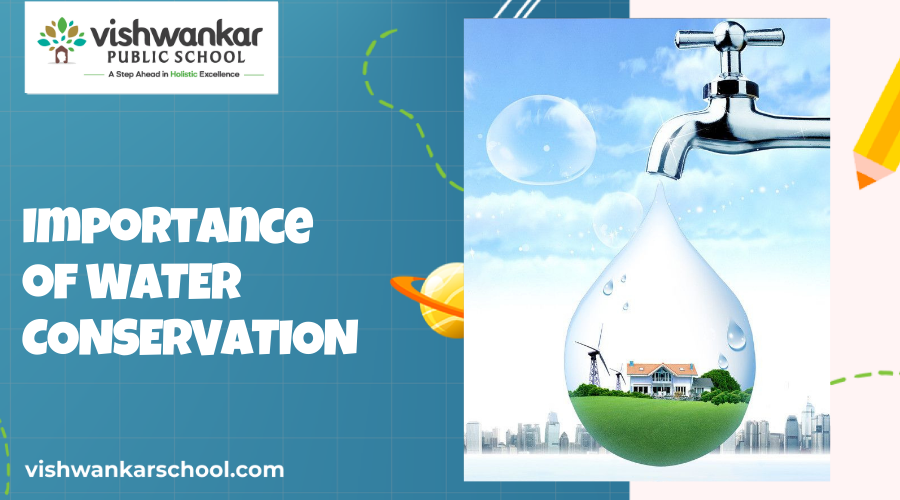
Have you made the mistake of leaving the tap running while brushing your teeth? Or had a long shower without a second thought? We all have, or at least most of us have. Water just feels like one of those things you can never run out of. But the reality is that pure, clean water is finite, and countless people across the globe are having to make do with what little they can get. Why World Water Day is so important. It serves as a reminder that water is irreplaceable and must be conserved.
Why is World Water Day Important for Students?
Worldwide, March 22 is designated as World Water Day. But what is the purpose of World Water Day? It is observed to create awareness about water problems and encourage people to protect freshwater resources.
For our students this day is about more than a special event. It’s a chance to learn. Teachers take advantage of this opportunity to describe:
- What is water conservation
- Need of water conservation
- People have been affected by water stress
- Water resource conservation
When children understand that less than a small percentage of Earth’s water is safe for drinking, they begin to value every drop. They realize that we should use water carefully and avoid wasting it.
Many schools conduct poster competitions, speech contests, and eco-club activities. These activities make learning fun and meaningful at the same time.
Understanding What is Water Conservation?
Let’s make it simple. What is water conservation? It is the application of attitudes, policies and measures to manage and protect water resources and to meet the water needs of all users in a sustainable manner, now and in the future.
Water conservation is beneficial because:
- There is only so much fresh water to go around.
- A number of areas are severely water depleted.
- Agriculture is a huge water user.
- Health and sanitation require water.
Without enough clean water, diseases can spread easily. Farmers may struggle to grow crops. Food shortages can increase. This shows us clearly the importance of water conservation in our daily lives.
When students learn this, they begin to understand that small changes at home and school can make a big difference
How Can We Save Water? Easy Habits for Kids
You may wonder, how can we save water as students? The good news is that saving water is not difficult. Small daily habits can help a lot.
Here are simple tips on how to save water for kids:
- Turn off the tap while brushing your teeth.
- Use a bucket instead of a long shower.
- Fix leaking taps at home or inform elders.
- Reuse leftover water for watering plants.
- Do not waste water while washing bikes or cars.
- Collect rainwater if possible.
- Spread awareness among friends and family.
These habits show the real benefits of water conservation. When everyone does their part, the impact becomes huge.
Water Scarcity: A Growing Global Problem
Water scarcity is becoming a serious issue in many parts of the world. Some countries are already facing extreme shortages. Even India experiences water scarcity during summer.
Water shortages can lead to:
- Health problems due to poor sanitation
- Food shortages because crops need water
- Conflicts between regions sharing water resources
- Environmental damage like drying rivers and lakes
When students understand these real-world problems, they become more responsible. They realize that water is precious and not something to take for granted.
How Schools Can Teach Water Conservation
School isn’t just about exams and textbooks. They are communities that cultivate good habits. A number of Best cbse schools in coimbatore provide environmental education in the skill based learning.
Teachers can:
- Demonstrate rainwater harvesting models
- Hold water conservation campaigns.
- Do science experiments with water filtration.
- Have eco-clubs track water usage in school.
These hands-on experiences enable students to relate what they learn in the classroom to their everyday lives.
Education Based on Skills and Environmental Responsibilities
Skill-based CBSE syllabus is beyond theory. It shapes the students for a future career as well as future-ready citizens.
Studying water conservation can motivate students to pursue careers in: Water Conservation.
- Environmental science
- Civil engineering
- Water resource management.
- Agriculture technology
Students are encouraged to plan and think problem-solving through the conservation of water resources. They also learn cooperation when doing ecological projects.”And they build confidence by competing and thinking in awareness raising programs. This is the way education links with real life problems.
What Can Families Do Together?
Water conservation is not just a school responsibility. Families also play a big role.
Parents can:
- Teach children to value water from a young age.
- Encourage shorter showers.
- Install water-saving devices at home.
- Talk about the need for water conservation during daily conversations.
Final Thoughts
Water is essential for life. Without it, there is no food, no health, and no future. That is why World Water Day is celebrated and reminds us every year to protect this precious resource.
When students understand the importance of water conservation, they begin to act responsibly. They learn that even small habits like turning off a tap can protect water for future generations.
By celebrating World Water Day in schools and homes, we can build a generation that respects nature and values sustainability. Remember, every drop counts. If we start today, we can secure clean water for tomorrow.
FAQ’s
1. What Is The Best Way To Educate Students About Water Conservation?
The way to go is through physical activities such as water audits, poster making and daily water saving at school. When students realize the amount of water that is used and wasted, they have a better appreciation for it.
2. How Can Teachers Play An Important Role In Promoting Water Conservation In School?
Teachers have the opportunity to teach about the importance of conserving water during lessons and suggest students put the tips into practice. They can also demonstrate by refraining from wasting in classrooms.
3. What Is Water Conservation For Kids?
Water conservation is the practice of utilizing water efficiently to reduce unnecessary water use. It teaches the kids that water is valuable and we only have so much. Conserve water today, and our children will thank you tomorrow.
4. What Are The 5 R’s Of Water Conservation?
The 5 Rs are: Reduce, Reuse, Recycle, Recharge and Respect water These are the things we can do to treat water wisely and protect natural sources. These steps contribute to using water efficiently and safeguarding natural sources.
5. How Can Schools Teach Children About The Importance Of Conservation?
Schools may organize awareness drives, competitions, and establish environmental clubs. They can observe special occasions connected with water and nature.
6. What Are 7 Ways To Conserve Water?
- Turn off taps properly.
- Fix leaking taps quickly.
- Use a bucket instead of a shower.
- Reuse water for plants.
- Do not waste drinking water.
- Water plants in the morning or evening.
- Spread awareness about saving water.