

Classroom Rules for Students: Essential Rules for Better Learning
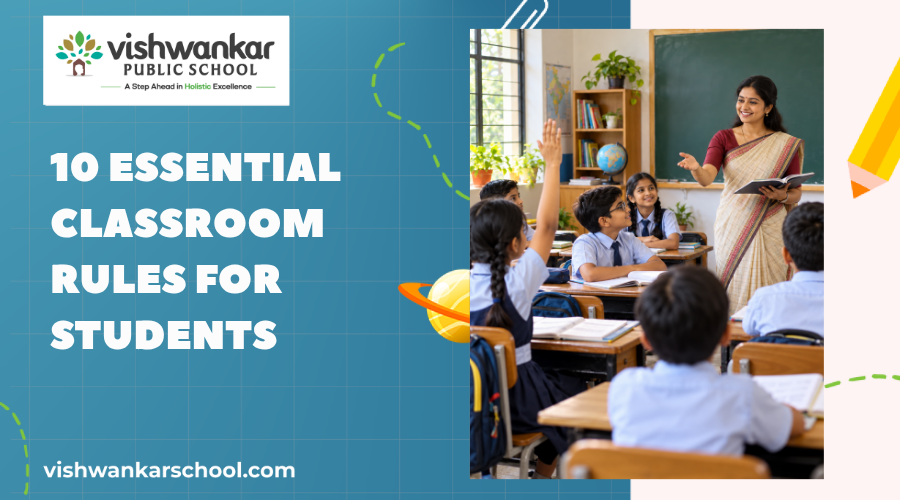
Quick Answer
Classroom rules for students are most effective when they focus on respect, preparation, participation, accountability, etiquette, safety, and care for shared spaces, and when instructors explain them rather than merely issuing commands. This guide walks you through each area with practical practices, explains why each guideline matters, and shows how instructors and parents can consistently reinforce healthy behaviour.
Quick Overview Table
| Aspect | Key Takeaway |
| Core Idea | Rules protect learning time and keep classrooms predictable and fair |
| Main Categories | Respect, preparedness, participation, responsibility, etiquette and safety |
| Best Approach | Explain the reason behind a rule instead of only stating it |
| Who Reinforces It | Teachers, parents and students working consistently together |
| Digital Rules | Devices allowed only for approved, supervised classroom activities |
| Who Should Read | Students, parents, teachers and preschool and school educators |
Table of Contents
- Introduction
- Classroom Rules for Students: Why They Matter
- Respect Teachers and Classmates
- Listen and Take Turns
- Be Prepared and Punctual
- Participate Positively
- Complete Work Responsibly
- Follow Classroom Etiquette
- Classroom Safety Rules
- Respect Personal Space and Property
- Digital Device Rules
- How Teachers Can Reinforce Positive Rules
- Rules Organised by Category
- FAQs
- Conclusion
Introduction
When you go into any well-managed classroom on a typical Tuesday morning, you’ll notice something first: everyone appears to know exactly what to do. That tranquillity is no coincidence. It stems from shared knowledge of clear expectations, developed and repeated until good behaviours become routine. This article explains why those norms matter and how respect, preparedness, participation, responsibility, safety, and care for shared spaces work together to create them. None of this occurs by chance, and each section below explains the reasons, not just the instructions.
Classroom Rules for Students: Why They Matter
Rules exist primarily to protect shared learning time, rather than simply to control youngsters for their own sake or convenience. Clear classroom rules eliminate confusion, allowing pupils to focus on the subject rather than guessing what is acceptable. Predictability also reduces anxiety significantly, especially for younger students, who feel most secure when expectations are completely consistent from day to day. A classroom without agreed-upon rules tends to slide toward uncertainty, no matter how well-intentioned the students are.
Respect Teachers and Classmates
Respect is the foundation for all other rules. Without it, even simple class rules are impossible to enforce fairly.
- Avoid interrupting others when they are speaking
- Use respectful language, even when disagreeing
- Different points of view and approaches to learning should be valued
- Wait patiently for your turn instead of speaking out
Listen and Take Turns
Turn-taking builds patience and ensures that every student has a fair chance to contribute. Raising your hand before speaking is a simple habit with a big payoff: it protects the flow of the lesson while also modelling good classroom standards that carry over into group work and, eventually, the workplace.
Be Prepared and Punctual
Arriving on time and with the necessary resources may seem like trivial details, but they set the tone for the entire session. A prepared learner may concentrate on ideas rather than searching for a misplaced textbook, pencil, or worksheet.
- Bring books, notebooks and materials every day.
- Arrive on time, then settle in quickly and quietly
- Finish the assigned reading before class begins
- Prepare a pack the night before to avoid a hasty morning
Participate Positively
Passive listening has a far lower retention rate than engagement. Encouraging student behaviour in classroom discussions, including poor replies, sends the message that effort matters as much as being correct, making quieter students more eager to try a tough subject rather than staying silent.
Complete Work Responsibly
Responsibility connects ordinary classroom discipline to tangible achievements students can see and measure. Submitting work on time and doing your own thinking builds trust between student and teacher, which becomes the foundation for future independence.
- Complete and submit assignments by the deadline
- Take responsibility for your faults rather than blaming others
- Before requesting assistance, carefully follow the guidelines provided
- Ask clarifying questions rather than speculating silently
Follow Classroom Etiquette
Good classroom manners consist mainly of small courtesies repeated regularly: saying please and thank you, waiting to be called on, and reserving side talks for breaks. These behaviours matter because they can make the difference between a hectic classroom and one that is calm and genuinely easy to learn in.
Classroom Safety Rules
Safety standards exist for reasons that are not always evident to a young learner, which is why they should be explained rather than simply stated.
- Keep luggage and equipment out of the aisles and exits.
- Handle scissors, tools, and lab equipment exactly as directed.
- Report any accidents or hazards to a teacher right away.
- Follow the fire drill and emergency exit procedures without delay.
Respect Personal Space and Property
Sharing a classroom means sharing desks, books, art supplies, and equipment that belong to everyone. Asking respectfully before borrowing something and returning it in the same good shape teaches consideration that goes well beyond the classroom door, into shared places at home and in public life.
Digital Device Rules
Devices provide substantial learning benefits while also serving as a significant distraction; therefore, most schools establish clear rules and restrictions for students regarding when screens are appropriate to use.
- Use gadgets only for approved classroom activities.
- Keep phones on silent mode and out of sight during lessons.
- Report anything inappropriate you observe online to a teacher.
- Avoid utilising equipment to record students without their permission.
How Teachers Can Reinforce Positive Rules
Rules are most effective when clearly stated, consistently modelled, and gently reiterated, rather than merely written on a wall. Many schools also link classroom expectations to broader school regulations, ensuring behaviour stays consistent from one room to the next. Parents looking for the best preschool in Coimbatore for a younger child frequently ask this question, as early habits developed at that age tend to continue long into primary school and beyond.
- Praise specific positive behaviour rather than simply rectifying errors.
- After a lapse, revisit the rules calmly rather than penalising it.
- Involve students in creating a few classroom agreements.
- Use a short, simple poster to communicate expectations.
Rules Organised by Category
| Category | What It Covers |
| Respect | Listening, polite language and valuing different opinions |
| Preparedness | Materials, punctuality and organisation before class starts |
| Participation | Engaging honestly, even with imperfect or uncertain answers |
| Responsibility | Deadlines, ownership of mistakes and following instructions |
| Etiquette | Courtesy, patience and small everyday classroom manners |
| Safety | Clear exits, careful equipment use and reporting hazards |
| Shared Spaces | Care for desks, supplies, devices and communal property |
Conclusion
Good classroom rules for students are never about control. They ensure everyone has the opportunity to learn, feel physically and emotionally safe, and be treated properly by both peers and instructors. When you give norms with reasons rather than impose them without context, students internalise them faster and carry those habits far beyond the classroom into every subsequent group they join.
FAQs
- Why are classroom rules important for students?
Classroom rules provide discipline, set expectations, promote respect, and help students study more effectively together.
- What are the basic classroom rules?
Basic principles include listening, raising hands, respecting others, following instructions, and keeping the classroom tidy daily.
- How do classroom rules improve learning?
Classroom rules reduce distractions, promote cooperation, protect learning time, and help everyone participate confidently.
- What are good classroom etiquette habits?
Good etiquette includes listening, speaking properly, taking turns, recognising differences, and keeping shared places clean.
- What safety rules should students follow in class?
Students should move gently, keep pathways clear, use caution when handling equipment, and report any hazards or emergencies immediately.
- How can teachers encourage students to follow classroom rules?
Teachers can set expectations, explain rules clearly, reward positive behaviour, and implement punishments consistently.
- Should classroom rules be different for younger children?
Yes, younger children benefit from clearer rules, visual cues, repetition, and age-appropriate explanations and consequences.